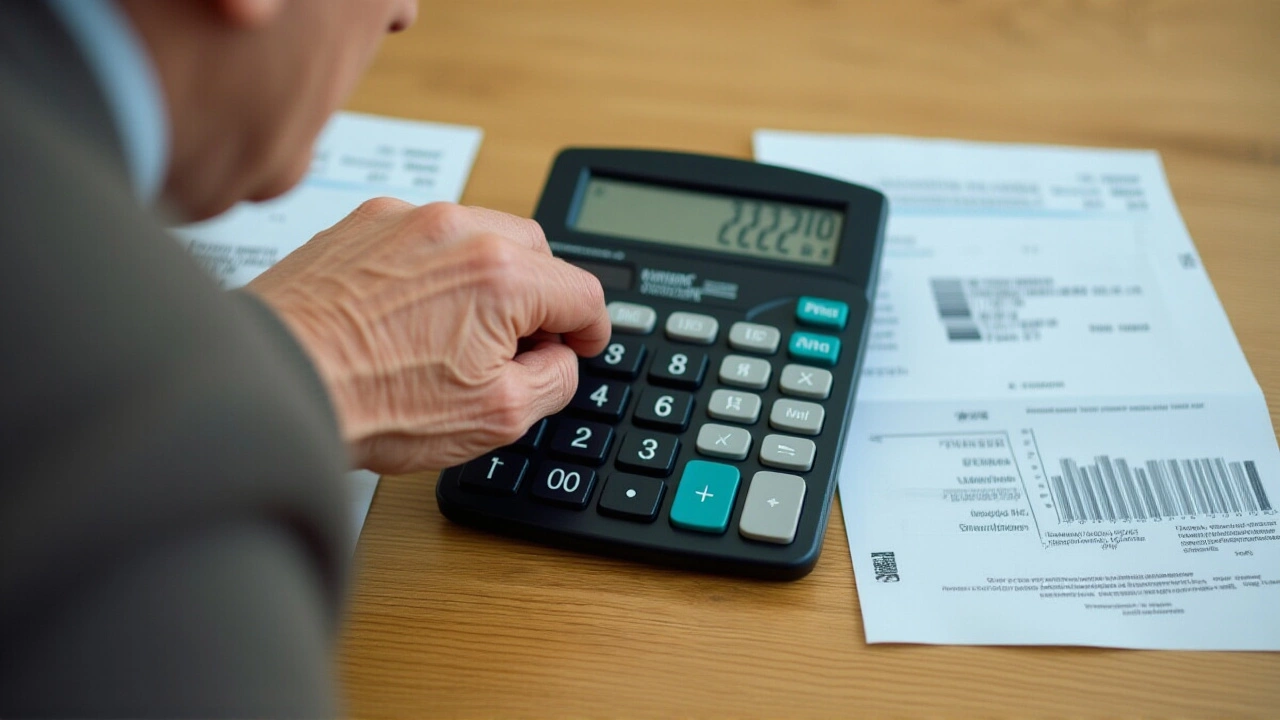
It’s the kind of news that makes you pause mid-pour with your morning coffee. If you work in the United Kingdom, there is a very real chance you’ve been paying too much tax—and you might be owed money right back now. We’re talking about an average refund of £689 for affected individuals, stemming from what authorities are calling a major systemic error.
The warning comes directly from His Majesty's Revenue and Customs (HMRC), which has acknowledged receiving an estimated £5.8 billion in overpaid tax. That’s not a typo. Five point eight billion pounds. The twist? Most workers don’t realize they’re owed this cash until they look closely at their payslips.
The Scale of the Overcharge
Here’s the thing: tax codes can be confusing. They change, employers make mistakes, and sometimes the system just glitches. But this isn’t a minor hiccup. According to reports from WalesOnline, HMRC itself has flagged this massive discrepancy. The agency estimates that billions have flowed into government coffers by mistake.
When you break it down, the numbers are staggering. £5.8 billion in total overpayments suggests millions of people are involved. While individual amounts vary wildly depending on salary and employment history, the average figure cited is £689. For many families, that’s a significant chunk of change—enough to cover a few utility bills or a nice holiday deposit.
But why hasn’t everyone already claimed it? Often, these errors happen silently. A wrong tax code sits on a payslip month after month, year after year, until someone notices—or until HMRC spots the aggregate data anomaly. In this case, the scale forced the issue.
What To Look For On Your Payslip
So, how do you know if you’re one of the unlucky ones who got overcharged? You need to scrutinize your payslip. It sounds tedious, but it’s crucial. Look specifically at your tax code. If it doesn’t match your personal circumstances—like having multiple jobs, pension income, or recent changes in benefits—you might be paying too much.
Common signs include:
- A tax code ending in 'L' but with an unusual prefix indicating a deduction adjustment.
- Sudden changes in net pay without a corresponding change in gross salary.
- Discrepancies between your expected take-home pay and what actually hits your bank account.
If anything looks off, don’t ignore it. Contact your employer first to verify the code, then reach out to HMRC. Remember, you generally have three years to claim back overpaid tax, so time is ticking.
Why This Matters Now
This isn’t just about free money; it’s about trust in the system. When HMRC admits to such a large-scale error, it raises questions about oversight. How did £5.8 billion slip through the cracks? Was it a software bug? A policy misinterpretation?
The details are still unclear, but the impact is immediate. For workers struggling with the cost of living crisis, reclaiming even a portion of that £689 average provides tangible relief. It’s a reminder that bureaucracy can be flawed, but vigilance pays off.
Experts suggest that while HMRC often corrects obvious errors automatically, complex cases require manual intervention. This means proactive checking is essential. Don’t wait for a letter that might never come.
Next Steps for Affected Workers
If you suspect an overpayment, here’s what to do next. First, gather your last six months of payslips. Second, log into your Government Gateway account to check your tax calculation summary. Third, if the numbers don’t add up, file a claim online via the GOV.UK website.
Keep records of everything. Screenshots, emails, copies of payslips. The process can be slow, so patience is key. But given the sheer volume of money involved, HMRC is likely prioritizing these claims to clear its backlog.
Looking ahead, expect more guidance from the tax authority. They may launch a dedicated portal or hotline to handle the surge in inquiries. Stay tuned to official channels for updates.

Historical Context
Tax overpayments aren’t new. Every April, when tax codes update, thousands of Brits face similar issues. However, the magnitude of this specific error—£5.8 billion—is rare. Previous scandals, like the PPI mis-selling saga, showed how widespread financial injustices can go unnoticed for years. This incident serves as a cautionary tale for both taxpayers and regulators.
Frequently Asked Questions
How do I check if I am owed a tax refund?
Start by reviewing your most recent payslips for any anomalies in your tax code or deductions. Log into your Personal Tax Account on GOV.UK to view your detailed tax calculations. If your net pay seems lower than expected based on your gross salary and known allowances, you may be overpaying. Compare your current tax code with previous years to spot unexpected changes.
Is the £689 figure guaranteed for everyone?
No, £689 is an average estimate provided by media reports citing HMRC data. Individual refunds vary significantly based on your income level, employment history, and the duration of the error. Some may receive only a few pounds, while others could be owed thousands. Your specific entitlement depends on how much extra tax was deducted from your salary over time.
What is the deadline to claim back overpaid tax?
Generally, you have three years from the end of the tax year in which the overpayment occurred to file a claim. For example, if you overpaid during the 2021-2022 tax year, you typically must claim by April 5, 2026. Acting quickly is advisable because processing times can be lengthy, and missing the deadline may result in losing your right to the refund.
Will HMRC automatically correct my tax code?
In some simple cases, yes. HMRC’s automated systems detect certain discrepancies and adjust codes proactively. However, complex situations involving multiple income sources, pension adjustments, or historical errors often require manual review. Relying solely on automatic corrections is risky; actively monitoring your payslips ensures you catch issues before they accumulate into large sums.